
Leadership & Power in the Age of AI
Leadership & Power in the Age of AI
Who decides when AI becomes part of how we work?
AI is becoming part of everyday working life. We use it to write, analyse information, prepare meetings, develop ideas and support decisions. Much of this is useful. There are plenty of tasks we can happily spend less time on.
But as AI becomes more involved in our work, it also begins to influence how we think, collaborate and make decisions.
And that raises some interesting questions for leadership.
Who decides what we use AI for? Who gets access to it? Whose knowledge do we trust? What happens when an AI-generated recommendation influences a decision? And how do we make sure that responsibility stays with people, even when technology does more of the work?
Leadership & Power in the Age of AI is a course about understanding these questions and learning to work with them in your own organisation.
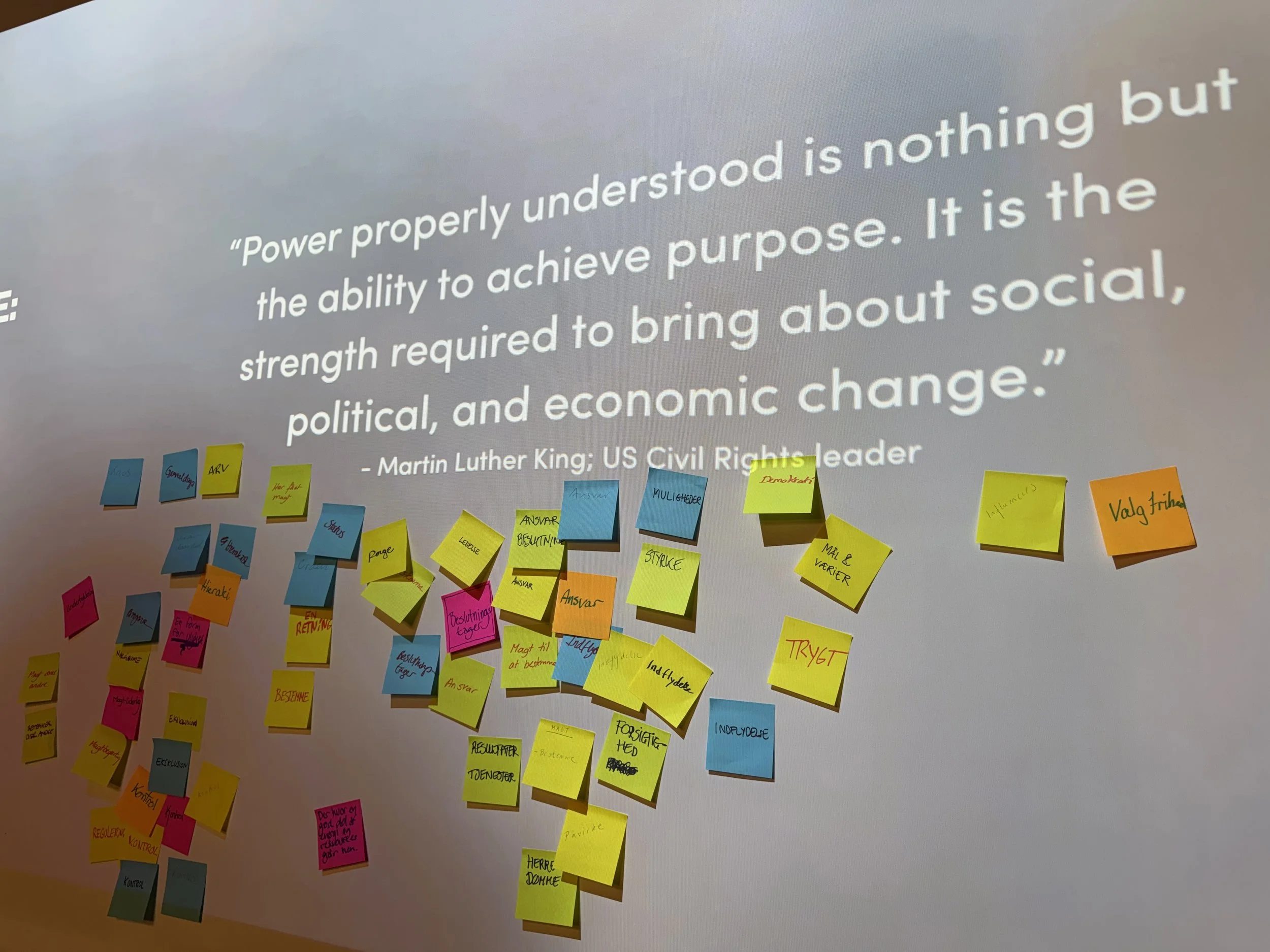
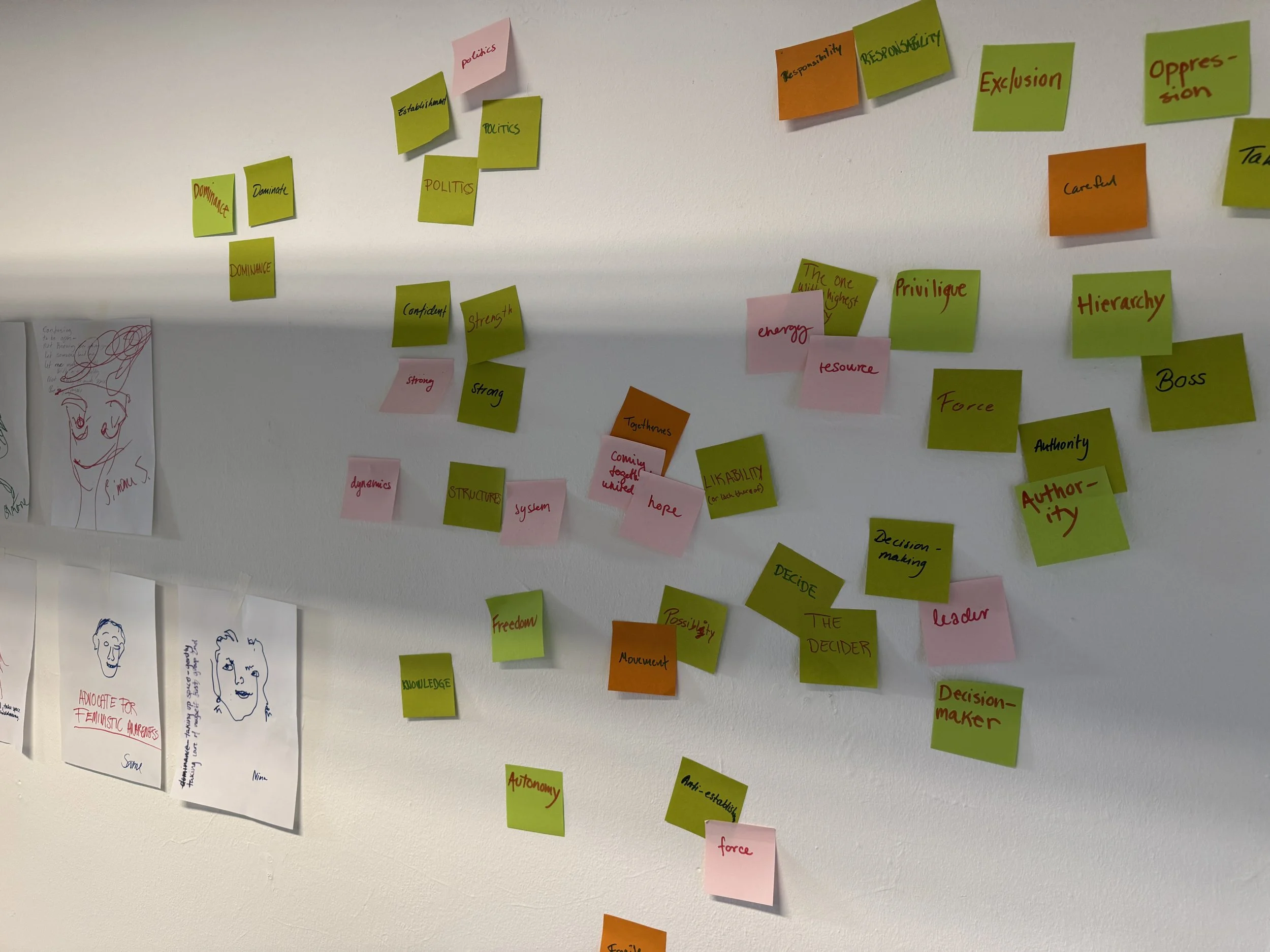
Power is not just about who's in charge
When we talk about power at work, we often think about managers, hierarchies and formal authority.
But power also exists in less visible places.
There is power in deciding what goes on the agenda. In choosing which information matters. In being recognised as the expert in the room. In deciding who gets invited into a conversation, whose opinion is taken seriously and who gets the final say.
AI is entering many of these spaces.
Imagine a team preparing an important decision. Someone uses AI to summarise the available information and suggest a direction. The summary is useful, and everyone saves time. But what has been left out? Which assumptions shaped the recommendation? And does everyone feel equally able to question it?
These are leadership questions, not technical ones.
Understanding how power works helps us make better decisions about where AI belongs in our organisations.
AI can change who has influence
One of the most interesting things about AI is that it can change the balance of power in a team.
Someone without specialist knowledge can suddenly access information that previously required an expert. A colleague who struggles to express an idea can use AI to prepare and communicate it more clearly. People can explore alternatives, challenge assumptions and contribute in ways that were previously difficult.
This creates possibilities for more participation and shared responsibility.
But the opposite can happen too.
AI can reinforce existing hierarchies, concentrate information in fewer hands or make decisions harder to question. It can create a sense of objectivity around recommendations that still reflect particular assumptions and choices.
The difference often comes down to how we lead.
In this course, we explore different ways power operates in organisations and how leaders can recognise when AI is expanding people's ability to contribute, and when it may be limiting it.
Keeping people responsible for decisions
AI can help us make sense of complicated situations. It can challenge our thinking, identify patterns and suggest possibilities we might otherwise overlook.
But it cannot take responsibility for the consequences of our decisions.
That remains our job.
As leaders, we need to become more deliberate about what we delegate to technology and what needs human judgement, dialogue and accountability.
We also need to create working environments where people can question recommendations, express disagreement and bring perspectives that may not be reflected in the available data.
The challenge is not simply to become more productive with AI. It is to use the technology in ways that help us become better at working and deciding together.
What we will work with
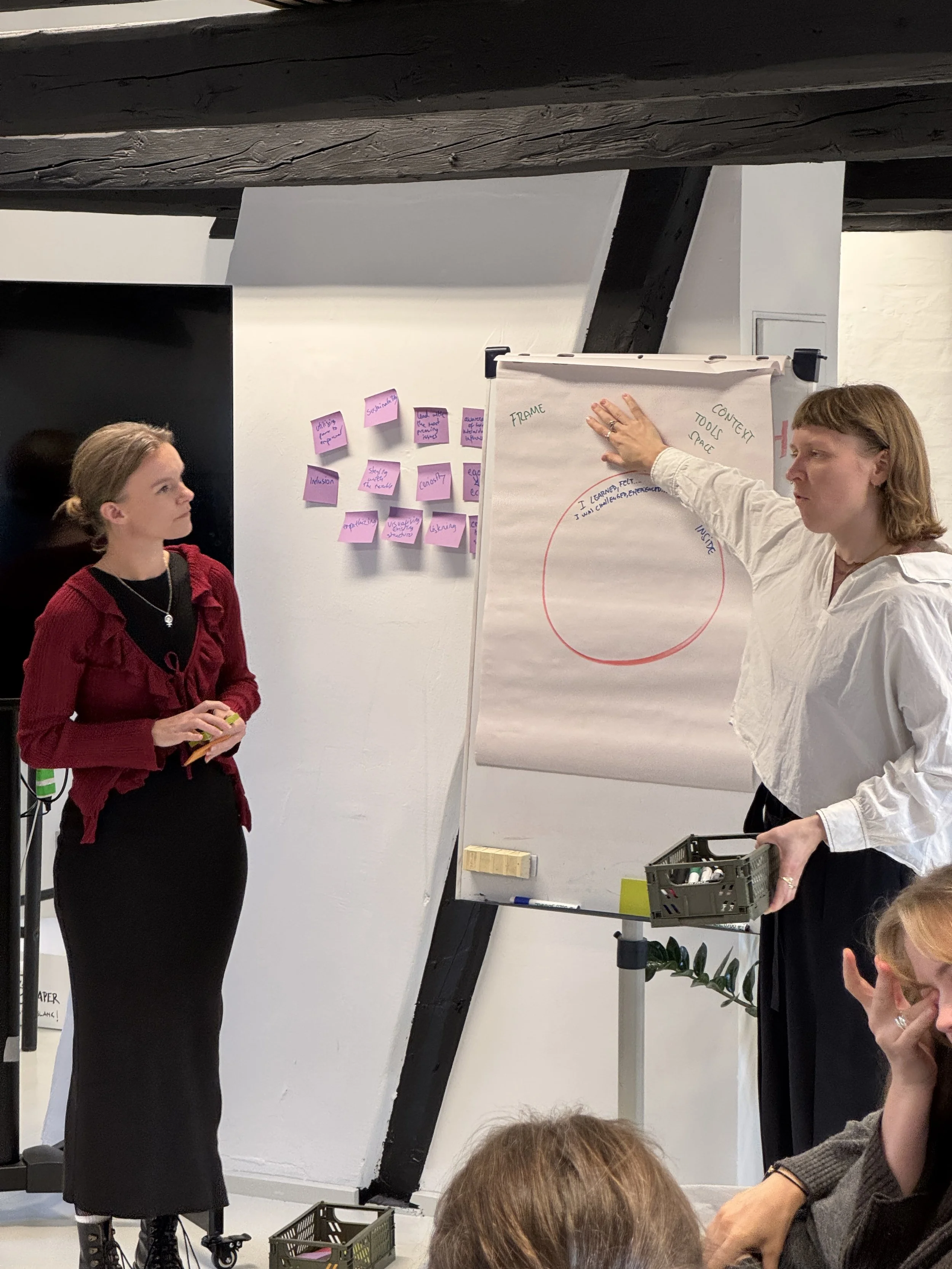
The course combines leadership perspectives, practical exercises and real situations from participants' organisations.
Together, we explore:
Power and influence: How power operates beyond formal roles, and how AI changes who has access to information and influence.
AI and decision-making: How AI-generated information and recommendations shape the decisions we make.
Participation and collaboration: How technology can support broader involvement, shared ownership and more informed conversations.
Authority and responsibility: What leaders can delegate to AI, what they should not, and how to maintain accountability.
Critical judgement: How to question assumptions, recognise blind spots and create room for perspectives that technology might overlook.
Leadership in practice: How to introduce and use AI in ways that support the people, relationships and values of your organisation.
Participants work with situations from their own professional lives and leave with a clearer understanding of how to approach AI as a leadership responsibility.
Who is this course for?
This course is for people who lead teams, projects, processes or organisational change.
It is relevant for managers, project leaders, consultants, strategists and professionals working with people and culture, innovation and transformation.
You don't need technical knowledge of AI. What matters is that you are curious about how technology is changing the way people work together, and what that means for your role.
Designed around your organisation
Organisations are at very different stages of working with AI. Some are just beginning to explore the possibilities. Others already use it across teams, projects and decision-making processes.
We adapt the course to your needs, your participants and the challenges you are facing.
It can be delivered as a two-day course, four afternoon sessions or another format that fits your organisation. We agree on the content, duration and learning objectives together.
Format: Tailored to your organisation
Duration: By agreement
Price: Upon agreement
Human Leadership in the Age of AI
Leadership & Power in the Age of AI is part of a three-course series exploring the human side of leadership as AI becomes part of our working lives.
Leadership & Power in the Age of AI
Who decides?
Explore power, influence, participation and responsibility.
Transformative Leadership in the Age of AI
What remains human?
Develop the creativity, collaboration and leadership capabilities needed to work with new possibilities.
Living Strategy in the Age of AI
What do we choose to do?
Explore how organisations can create direction, make choices and involve people in shaping their future.
The three courses can be taken individually or combined into a tailored leadership development programme for your organisation.
Leadership & Power in the Age of AI
Who decides when AI becomes part of how we work?
AI is becoming part of everyday working life. We use it to write, analyse information, prepare meetings, develop ideas and support decisions. Much of this is useful. There are plenty of tasks we can happily spend less time on.
But as AI becomes more involved in our work, it also begins to influence how we think, collaborate and make decisions.
And that raises some interesting questions for leadership.
Who decides what we use AI for? Who gets access to it? Whose knowledge do we trust? What happens when an AI-generated recommendation influences a decision? And how do we make sure that responsibility stays with people, even when technology does more of the work?
Leadership & Power in the Age of AI is a course about understanding these questions and learning to work with them in your own organisation.
Power is not just about who's in charge
When we talk about power at work, we often think about managers, hierarchies and formal authority.
But power also exists in less visible places.
There is power in deciding what goes on the agenda. In choosing which information matters. In being recognised as the expert in the room. In deciding who gets invited into a conversation, whose opinion is taken seriously and who gets the final say.
AI is entering many of these spaces.
Imagine a team preparing an important decision. Someone uses AI to summarise the available information and suggest a direction. The summary is useful, and everyone saves time. But what has been left out? Which assumptions shaped the recommendation? And does everyone feel equally able to question it?
These are leadership questions, not technical ones.
Understanding how power works helps us make better decisions about where AI belongs in our organisations.
AI can change who has influence
One of the most interesting things about AI is that it can change the balance of power in a team.
Someone without specialist knowledge can suddenly access information that previously required an expert. A colleague who struggles to express an idea can use AI to prepare and communicate it more clearly. People can explore alternatives, challenge assumptions and contribute in ways that were previously difficult.
This creates possibilities for more participation and shared responsibility.
But the opposite can happen too.
AI can reinforce existing hierarchies, concentrate information in fewer hands or make decisions harder to question. It can create a sense of objectivity around recommendations that still reflect particular assumptions and choices.
The difference often comes down to how we lead.
In this course, we explore different ways power operates in organisations and how leaders can recognise when AI is expanding people's ability to contribute, and when it may be limiting it.
Keeping people responsible for decisions
AI can help us make sense of complicated situations. It can challenge our thinking, identify patterns and suggest possibilities we might otherwise overlook.
But it cannot take responsibility for the consequences of our decisions.
That remains our job.
As leaders, we need to become more deliberate about what we delegate to technology and what needs human judgement, dialogue and accountability.
We also need to create working environments where people can question recommendations, express disagreement and bring perspectives that may not be reflected in the available data.
The challenge is not simply to become more productive with AI. It is to use the technology in ways that help us become better at working and deciding together.
What we will work with
The course combines leadership perspectives, practical exercises and real situations from participants' organisations.
Together, we explore:
Power and influence: How power operates beyond formal roles, and how AI changes who has access to information and influence.
AI and decision-making: How AI-generated information and recommendations shape the decisions we make.
Participation and collaboration: How technology can support broader involvement, shared ownership and more informed conversations.
Authority and responsibility: What leaders can delegate to AI, what they should not, and how to maintain accountability.
Critical judgement: How to question assumptions, recognise blind spots and create room for perspectives that technology might overlook.
Leadership in practice: How to introduce and use AI in ways that support the people, relationships and values of your organisation.
Participants work with situations from their own professional lives and leave with a clearer understanding of how to approach AI as a leadership responsibility.
Who is this course for?
This course is for people who lead teams, projects, processes or organisational change.
It is relevant for managers, project leaders, consultants, strategists and professionals working with people and culture, innovation and transformation.
You don't need technical knowledge of AI. What matters is that you are curious about how technology is changing the way people work together, and what that means for your role.
Designed around your organisation
Organisations are at very different stages of working with AI. Some are just beginning to explore the possibilities. Others already use it across teams, projects and decision-making processes.
We adapt the course to your needs, your participants and the challenges you are facing.
It can be delivered as a two-day course, four afternoon sessions or another format that fits your organisation. We agree on the content, duration and learning objectives together.
Format: Tailored to your organisation
Duration: By agreement
Price: Upon agreement
Human Leadership in the Age of AI
Leadership & Power in the Age of AI is part of a three-course series exploring the human side of leadership as AI becomes part of our working lives.
Leadership & Power in the Age of AI
Who decides?
Explore power, influence, participation and responsibility.
Transformative Leadership in the Age of AI
What remains human?
Develop the creativity, collaboration and leadership capabilities needed to work with new possibilities.
Living Strategy in the Age of AI
What do we choose to do?
Explore how organisations can create direction, make choices and involve people in shaping their future.
The three courses can be taken individually or combined into a tailored leadership development programme for your organisation.