Living Strategy
Living Strategy
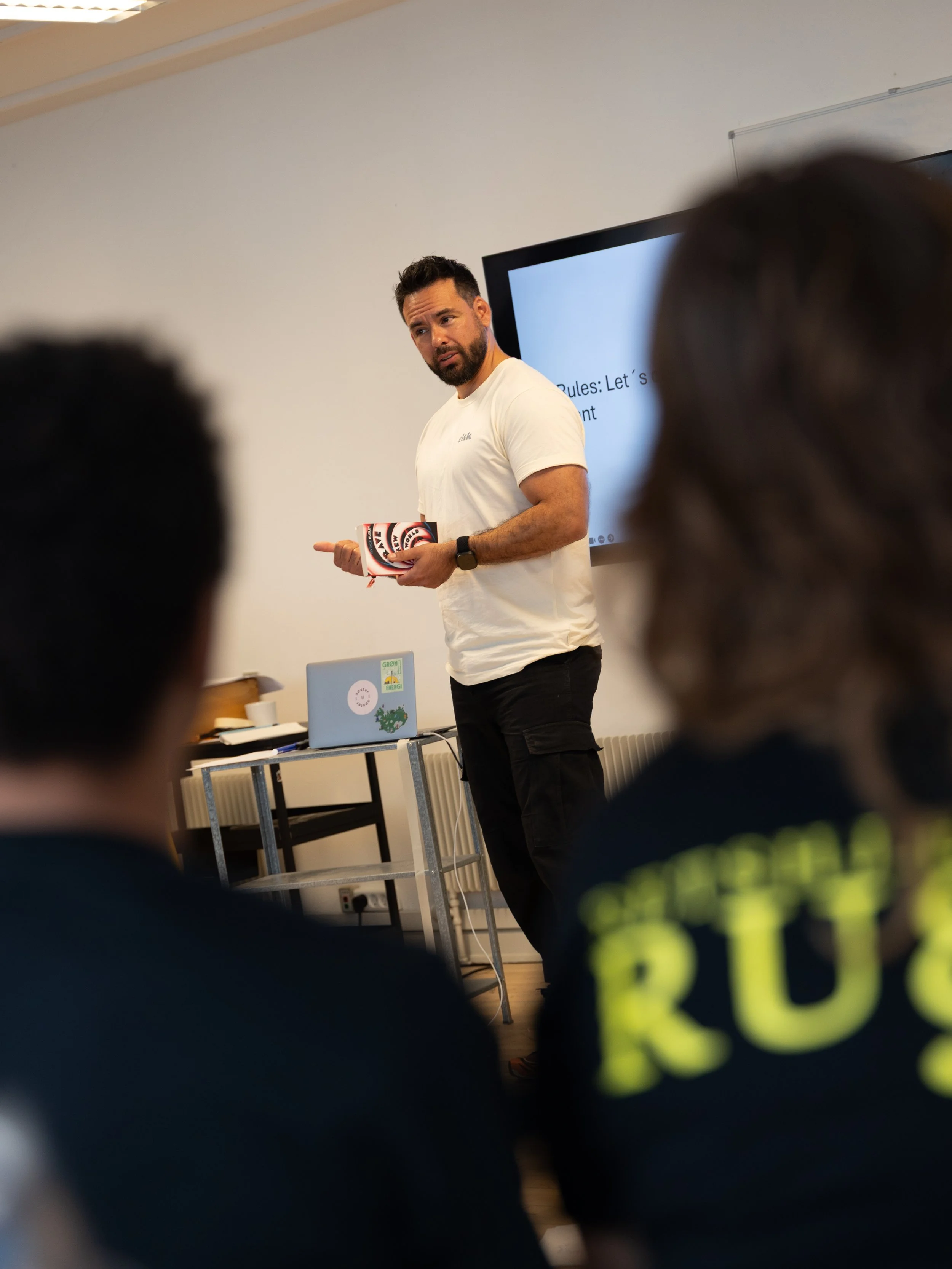
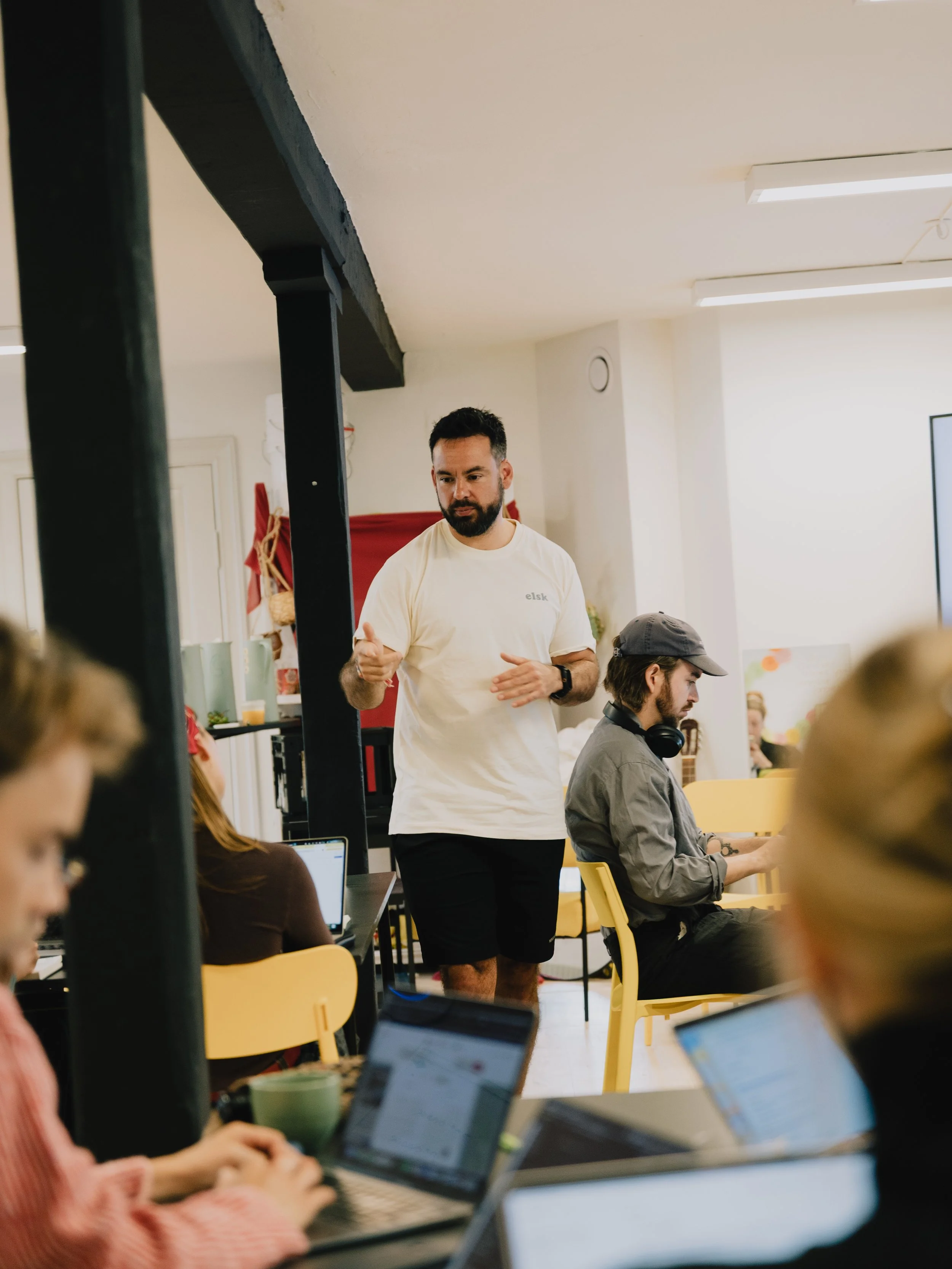
A 3-day strategy course for turning strategy into practice
A lot of time goes into developing strategies. They are researched, discussed, written, presented and communicated across the organisation. And still, many of them slowly disappear from everyday work.
Living Strategy is a three-day strategy course for leaders, project managers, strategists and people working with organisational development and change. It is for people who want strategy to be useful beyond the strategy process itself.
We work with strategy as a shared direction for making choices, rather than a plan that tries to predict the next five years.
This matters because organisations operate in conditions that change constantly. Technology develops, markets shift, political conditions change, and the climate crisis and demographic changes are creating new questions about the role and responsibility of organisations.
Planning still matters. But a plan and a strategy are not the same thing.
Living Strategy is about developing a strategic direction that can guide an organisation while still being able to respond to what happens along the way.
Strategy needs to be used
The starting point for Living Strategy is simple:
A strategy is only alive when people use it.
That changes what we pay attention to during strategy development.
Of course, we work with direction, priorities and strategic choices. But we are just as interested in what happens afterwards. How does a strategy influence an actual decision? Do people understand why certain choices were made? Can teams connect their work to the direction of the organisation? And what happens when reality doesn't behave as the strategy process expected?
We work with creating enough clarity for people to make decisions without pretending that every decision can be planned in advance.
That also means looking at the assumptions behind the strategy. Every strategy contains ideas about how the world works, what customers or communities need, what the organisation is capable of and what might happen next.
Some of those assumptions will be right.
Others won't.
A living strategy gives us a way to notice the difference.
Three days working on your own strategy
This isn't a strategy course built around a fictional company or a case somebody else has written.
You bring a real strategic challenge from your own organisation.
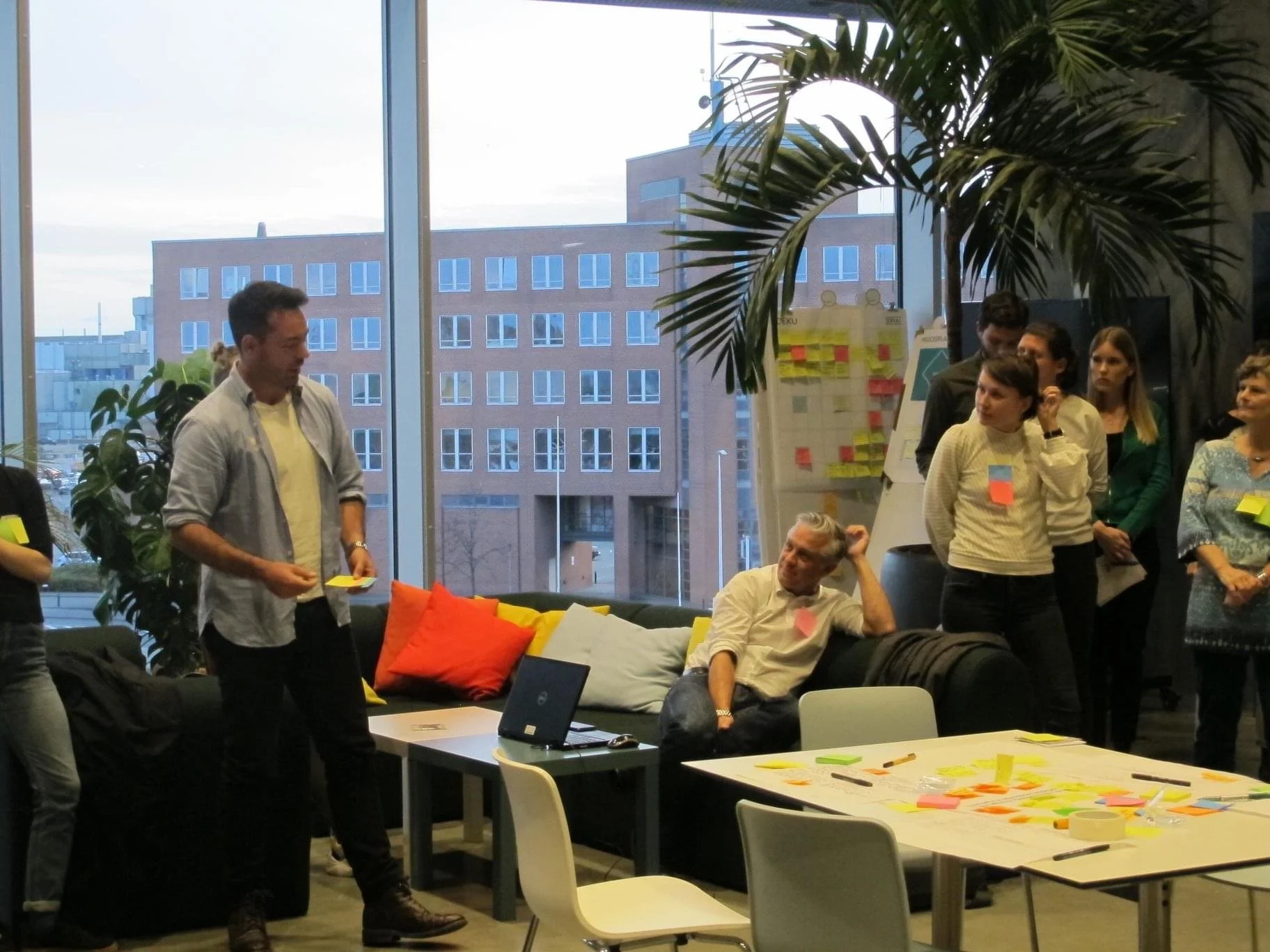
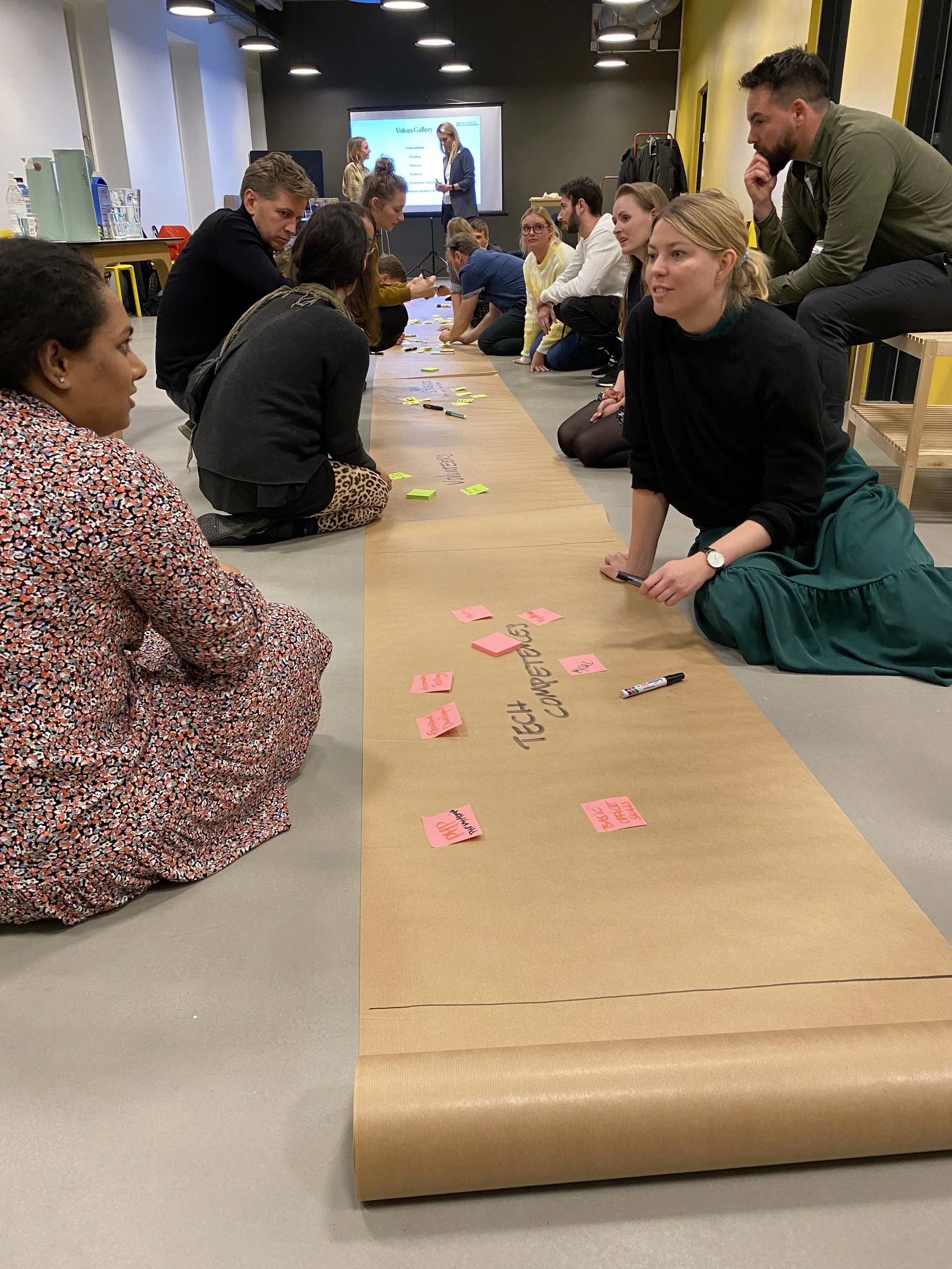
During the three days, we use that challenge to explore different approaches to strategy development and strategic leadership. We combine strategic thinking, systems thinking, facilitation and practical strategy tools with conversation, experimentation and reflection.
We work with topics including:
strategy in complexity and uncertainty
strategic choices and prioritisation
organisational purpose and direction
assumptions and mental models
systems thinking and interdependencies
scenarios and possible futures
participation in strategy development
strategic conversations
experimentation and learning
moving from strategy to implementation
keeping strategy relevant over time
The intention is that you don't only learn about these approaches. You use them while you are with us.
By the end of the course, your strategic challenge should have moved.
Strategy means making choices
One of the problems with strategic planning is that strategies can easily become collections of ambitions.
We want to grow, innovate, become more sustainable, improve collaboration, strengthen the culture, reach new markets and become better at what we already do.
All of those things might be desirable. They are not necessarily a strategy.
Strategy requires choices about where to focus limited time, attention and resources. It also requires deciding what not to pursue.
During Living Strategy, we therefore spend time looking at what the organisation might need to stop doing.
That can be uncomfortable. Organisations become attached to projects, products, habits and ways of working, particularly when they were successful in the past.
But something having worked before is not, by itself, a good reason to continue doing it.
Sometimes strategic development is as much about letting go as it is about creating something new.
Strategy is not only a leadership document
Senior leadership may be responsible for the strategy, but people throughout an organisation make decisions that affect it every day.
They decide how to respond to a customer, how to prioritise a project, whether to pursue an opportunity, how to use a limited budget and what deserves their attention.
This is why involvement matters in strategy development.
That doesn't mean everybody needs to decide everything. It means that if we expect people to act strategically, they need enough understanding of the organisation's direction, priorities and choices to make good decisions themselves.
For us, one of the most useful tests of a strategy is therefore not whether people can repeat it.
It is whether they can use it when they have to make a decision.
Working strategically when we don't know what comes next
Uncertainty is often treated as a problem that better strategic planning will eventually remove.
Usually, it won't.
Instead, we work with ways of making decisions when information is incomplete. We examine assumptions, explore different possible futures and think about what we would need to learn before committing too much time or too many resources to one direction.
Sometimes that means experimenting before scaling something.
Sometimes it means changing how we implement the strategy.
And sometimes new information tells us that an assumption behind the strategy itself no longer holds.
Being able to respond to that is not a failure of strategy. It is part of strategic leadership.
A Living Strategy should provide enough stability to create direction and enough flexibility to learn.
Who is Living Strategy for?
Living Strategy is for leaders, strategy leads, project managers, consultants, entrepreneurs and people working with strategy, organisational development or organisational change.
You don't need to work professionally with strategy, and you don't need to arrive with a finished strategic plan.
You do need something real to work on.
That might be an organisation developing a new strategy, a team trying to clarify its direction, a strategic initiative that has become stuck, or a situation where the existing strategy no longer seems to fit what is happening around you.
Bring that challenge with you.
We will use it throughout the course.
What will you leave with?
After three days, you will have worked directly on your own strategic challenge and used different methods for creating direction, making strategic choices, testing assumptions, involving others and working with uncertainty.
You will leave with strategy tools you can use again with your team or organisation, but the aim isn't to send you home with a generic strategy toolkit.
The more important outcome is a different way of working with strategy.
One where strategy is not finished when the strategy document is approved.
One where implementation and learning are part of the strategic process.
And one where the organisation can continue making good decisions even when circumstances change.
Strategy doesn't need to tell us exactly where we will be in five years. It needs to help us make better choices on the way there.
Language
Our open courses are normally facilitated in English, allowing people from different countries and organisations to learn together.
When everyone in the group is Danish, Living Strategy can be facilitated entirely in Danish. We also offer the course in Spanish in Spain and Latin America.
For programmes in Germany and Japan, we can work in English with professional interpretation when needed.
If you would like to bring Living Strategy to another country or organisation, talk to us about what would work for your group.
Bring Living Strategy into your organisation
Living Strategy can also be used directly as a strategy development process inside an organisation.
Instead of attending a course and applying the methods afterwards, your team works on your actual strategy while we facilitate the process.
This can be an intensive process with a leadership team or a broader strategy process involving people from different parts of the organisation.
We help you examine the situation around you, clarify direction, surface assumptions, make choices and involve the people who will eventually have to work with the strategy.
The goal isn't to leave you with our strategy.
It is to help you build one that your organisation understands and can actually use.