Why LYNG?
LYNG is a consultancy working with strategy, leadership and sustainable change.
The thinking behind LYNG starts with something quite simple: things are connected.
The decisions we make inside an organisation don't stop at the organisation's front door. They affect employees, customers and partners, but also suppliers, communities, nature, the climate and people we may never meet.
And yet we often lead as if these things could be separated.
We want to challenge that.
LYNG is about seeing the connections. Between strategy and action. Between people and systems. Between the way we lead and the world our organisations help create.
We work with feminist leadership, systemic leadership, Living Strategy and sustainable change. What connects our work is a desire to question some of the ideas we have inherited about leadership, power, growth and success.
Not for the sake of challenging everything.
But because the models that brought us here aren't necessarily the ones that will take us where we need to go next.
Change often begins when we notice a connection we hadn't seen before. When we understand that our decisions have consequences further away than we thought. Or when we dare to question something that has been treated as obvious for a very long time.
That is the kind of movement we want to create.
Connect what has been kept separate. See the system. Question the familiar. And make room for something more alive.
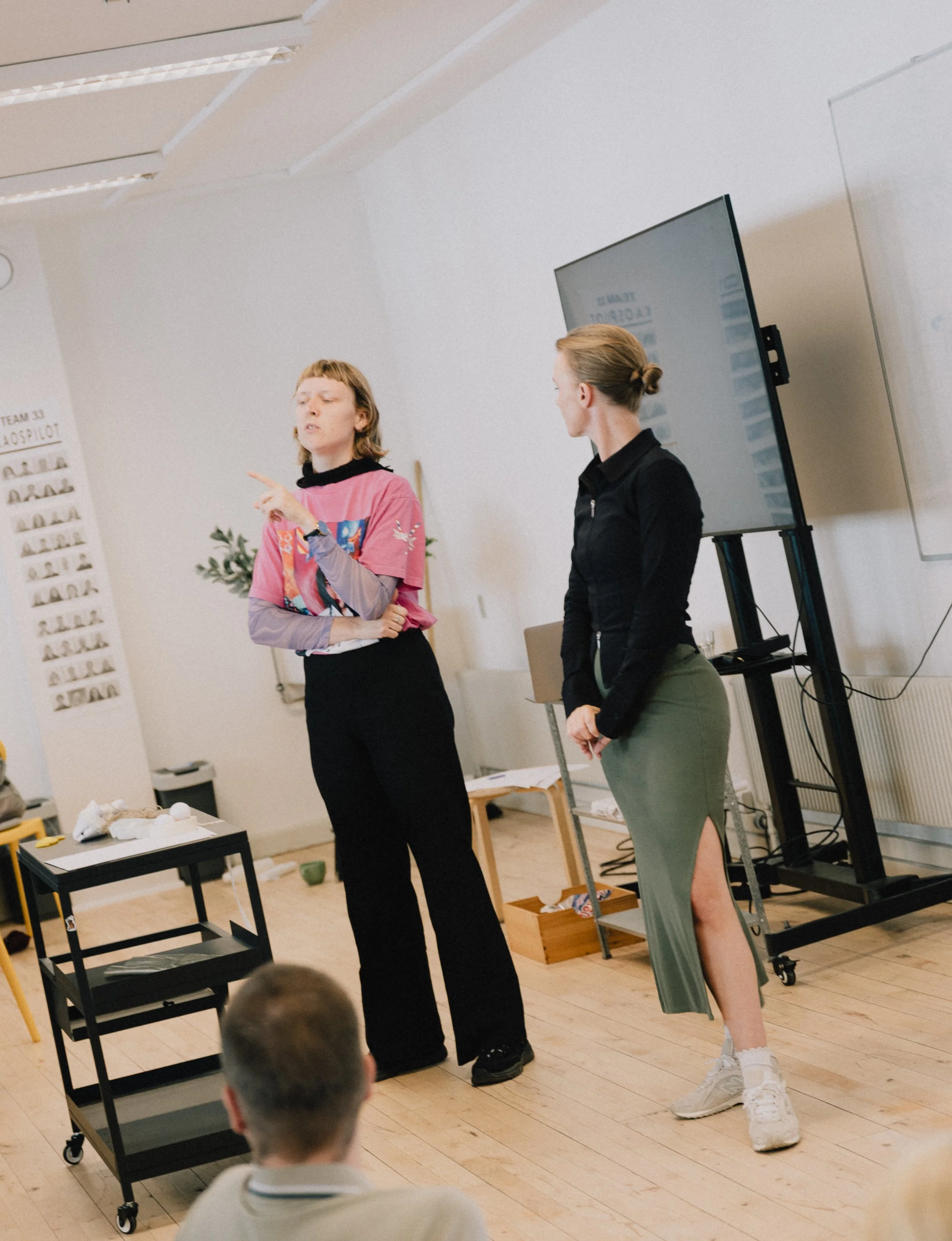
Principles for how we work
Of course we have methods, models and tools that we use in our courses and consulting work.
But we don't believe the same method works for every organisation or in every situation.
Instead, our work is built around a set of principles. They guide how we work with leadership, strategy, learning and organisational development – whether we're facilitating a three-day course or working alongside an organisation over a longer period.
1. Relationships come first
Good work begins with good relationships.
Before we can challenge each other, learn together or create meaningful change, there needs to be enough trust for people to be honest. Including when we disagree, feel uncertain or don't quite know where we're going yet.
That's why we pay attention to the relationships between people.
Not because relationships are the nice, human part of the work that happens alongside the serious stuff. They affect what gets said, who gets heard and what a group is actually capable of creating together.
2. Explore before you explain
We don't arrive with the answer before we've understood the question.
This applies both to our courses and our work with organisations.
Before introducing a model or suggesting a solution, we get curious about what is already happening. What are people experiencing? Which patterns keep appearing? What is already working? And what has become so normal that nobody thinks to question it anymore?
A lot of our work is based on learning through practice.
We try something. See what happens. Reflect on it. Adjust.
Some things can't be understood by thinking about them alone.
Sometimes you have to experience them.
3. We create change together
We don't believe in organisational development where a small group of people designs the change and the rest of the organisation is then asked to implement it.
The people doing the work every day know things that neither senior leadership nor an external consultant can know on their own.
That's why we work with people rather than creating solutions for them.
That doesn't mean everyone needs to agree on everything.
But if a strategy or organisational change is going to work in practice, we need to understand the different perspectives, interests and power dynamics that exist within the organisation.
Sometimes that takes longer.
But it also makes it more likely that what we create together can continue to live after we're no longer in the room.
4. Head, heart and hands
We don't learn or change simply by understanding something intellectually.
That's why we work with head, heart and hands.
The head helps us understand strategy, systems, power, patterns and the wider world an organisation is part of.
The heart is about relationships, values, care and paying attention to how our decisions affect other people.
The hands are about doing something. Trying different ways of working, leading or collaborating – and learning from what actually happens.
That's also why our courses aren't three days of theory and PowerPoint slides.
What you learn should be something you can actually use when you're back at work.
5. Leadership requires us to keep learning
We don't expect leaders to always have the answer.
In fact, we think one of the most important parts of leadership today is being able to recognise when your existing answers are no longer good enough.
Organisations are complex. The world around them changes. And people can experience the same situation from very different positions.
Leadership therefore requires curiosity.
It requires listening, examining our own assumptions and being aware of the power we hold. And sometimes it requires being willing to change our minds or change direction.
For us, leadership and learning are closely connected.
Not because leaders need to know everything, but because they need to be able to create spaces where people can think, learn and act together.
The people behind LYNG
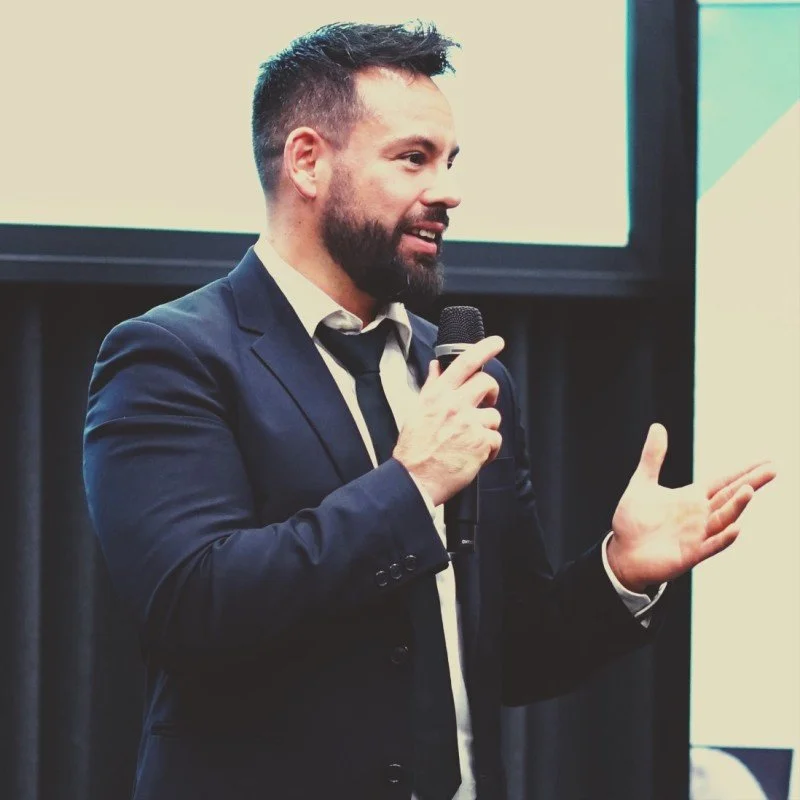
Leonel Barbe
Co-founder, Strategist, Learning Experience Designer & Programme Director
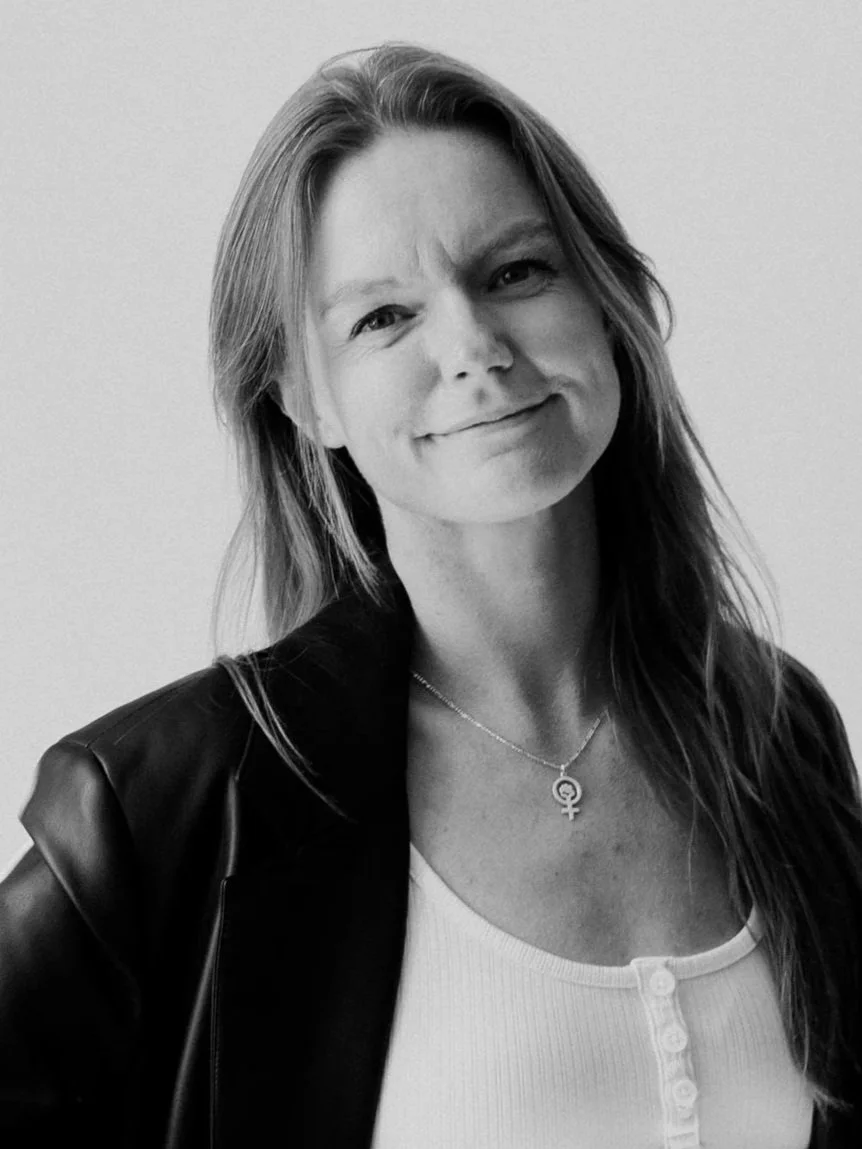
Mie Skovmand
Co-founder, Facilitator, Philosopher & Programme Director
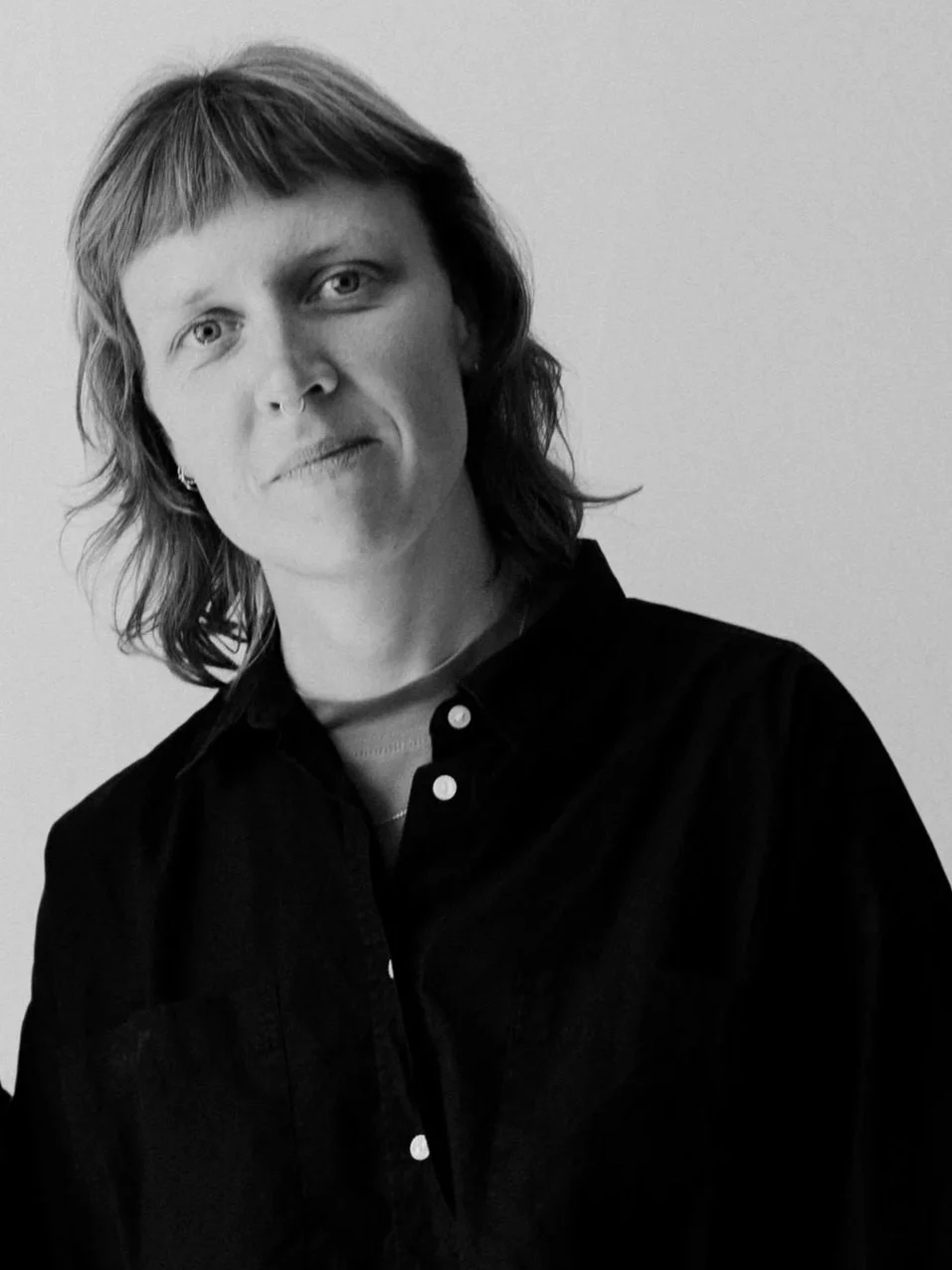
Simone Due Rasmussen
Co-founder, Facilitator, Feminist Theorist & Programme Director
Do you have a challenge, an idea or something in your organisation that no longer works the way it used to?
Tell us a little about what you're facing.
Then we'll have a conversation about what needs to be challenged, what should be preserved – and what might need some space to emerge.
No standard solutions.
We start by listening..